Showing posts with label Disabled. Show all posts

Wednesday, 24 April 2024

The Words that Saved Me - A Review (AD Gifted)

A while ago, I received an email from Sarah Mozer, asking if I would be interested in reviewing her book on my blog. Once she’d explained a bit more about her book and the story behind it, I was really keen to work with Sarah, as it sounded like a book I, and therefore my readers, might really benefit from. The back of the book describes it all perfectly, so I thought I’d start by just sharing what it says…


“A raw and emotional collection of poetry on life with severe chronic illness. Both heart-breaking and hopeful, these poems follow the story of how as a bedbound twenty-something, I found the courage and resilience to keep going when every part of me was saying give up.


The Words That Saved Me was written and compiled over three years from the confines of my bed – beginning in the darkest depths of depression and continuing as I began to find the possibility of peace amongst the pain, limitations, and isolation I was, and still am facing. This book is a reminder of how life can get better even when it truly feels impossible. 


Whether you have experienced chronic illness or not, I hope the words in this book resonate with you in some way and that by sharing my soul with you, your soul hurst a little less.”


The book is broken down into sections, starting with an introduction that tells you a bit about Sarah and her experience of chronic illness. She discusses the different emotional stages she has been through during her chronic illness journey, and offers inspiration for others who may currently be in a dark place.


Following on from the introduction, the next few chapters take us through the different emotional stages, from darkness, to sparks of hope and finishing with helpful things. I thought it might be useful for me to talk to you about each stage in turn, and how I found the poems in that section.


So we’ll start with darkness – a section I can relate to a lot at the moment. The poems in this section are incredibly raw and blunt, communicating the desperate place that Sarah found herself in. As someone who is currently going through a relapse in their mental health, I felt I could really relate to a lot of the poems and how I’m currently feeling. One poem in particular stood out to me – it’s called Frayed and I wanted to share it with you:


“How much can I endure?

When is enough enough?

At what point will it all become too much.

I try

And I try

Holding on to threads of hope

As they fray to single strands,

I can’t fight this fight forever.”


The book then moves onto ‘The Words I Need to Hear’, and it reminds me of a big hug from a loving friend. As you make your way through the pages, you are reassured and comforted by kind words, just as a best friend would do to you if you were in the dark place spoken about at the beginning of the book. Like I said, I’m really struggling with my mental health at the moment, and I found reading these words a real comfort. Words such as “If all you did today was exist, then to exist was your purpose. Maybe is seems like a waste, but you are here for a reason,’ from the poem Stardust and Magic. 


We then progress to ‘Spark of Hope’ where you get a sense of a real shift in Sarah’s mental state. Suddenly, rather than living in darkness, you can feel hope and optimism, albeit fairly tentative. She still acknowledges the darkness and how overwhelming it can be, but you feel drawn into the fact it seems possible to move forward and onto something a bit more positive. I really liked the poem ‘Surrender’ in this section, particularly these lines:


“Anger

Frustration

And sadness

Will not help you here.

Put down those weapons

They will only cause you more pain.


Instead;

Choose acceptance,

Choose peace.

Find the strength

To surrender to this moment

Exactly as it is.”


Following this, we move on to ‘Light in her eyes.’ You can really feel the determination in the poems in this section to live a more positive life and move away from the darkness. Sometimes I find that when you get these positive quotes and sayings that they can feel quite fake or patronising, but these poems don’t feel any of those things. The positivity and determination feels real and raw, like it’s come from a place of real hard work to move forward to that place. Through the poems you can learn how Sarah fought against those dark thoughts and how she continues to fight to live in a more positive place. I really liked the poems in this section, as they made me feel really inspired. I particularly like the poem ‘Believe:’


“I don’t know why I am where I am,

Maybe there is no reason or plan.

But I choose to believe

I’m where I’m supposed to be,

Because that is the thought

That sets me free.”


At the end of the book are a couple of pages under the heading ‘Helpful Things.’ These aren’t poems but are instead some information that Sarah hopes other chronically ill people may find helpful. She shares a variety of treatments, management techniques and resources that have helped her in her chronic illness journey to living a better quality of life. Whilst unsolicited advice is usually something people in the chronic illness community step away from, it’s interesting to hear what other chronically ill people have found helpful, especially when your illness has no cure or real treatment options.


Overall, I’m so glad Sarah sent me her book to review. I found it genuinely inspirational, comforting and relatable. I don’t think you need to be chronically ill to enjoy Sarah’s book either, as I believe the poems could relate to all kinds of situations, not just illness. If you’d like to support a chronically ill writer, you can buy Sarah’s book on Amazon and she is also selling signed copies on Etsy.


Have you read Sarah’s poetry book? I’d love to hear what your thought on it are?


Thursday, 6 July 2023

Trying to feel proud for Disability Pride Month

July is Disability Pride Month – a month for Disabled people to share our lived experiences and also raise awareness of the obstacles our community faces. Disability Pride Month was born in 1990 as a day of celebration when the Americans with Disabilities Act (ADA) was signed into law. That year, Boston held the very first Disability Pride Day, and the first official celebration of Disability Pride Month was held in July 2015, marking the 25th anniversary of the ADA. This has gradually spread, and now many countries across the world celebrate Disability Pride Month by holding parades and other festivities. We even have our own flag, which was designed by Ann Magill – it has a grey background and then different stripes in different colours to recognise different types of Disability and the solidarity between us.


But you’ll be forgiven for not knowing much about Disability Pride Month. I only found out about it a few years ago, and sadly it’s still very underrepresented. Very few brands and companies do anything to mark it, and the only real reason I found out about it was because I follow other Disabled creators on social media. There’s so much I could write about Disability Pride Month, but today I wanted to explore what feeling pride in my Disability means to me in the hope it might help others in a similar situation.


Ever since I found out about Disability Pride Month, I’ve been keen to join in with the awareness raising. I’ve posted on social media for the last few years about it, contacted numerous companies to ask them what they’re doing to mark it (and make their company more accessible) and spoken about it in general conversation with friends and family. But one thing that’s always troubled me is that I’ve never really been able to fully identify with feeling proud to be Disabled, and that felt like a pretty big issue!


I’m Disabled through chronic illness, and the illnesses that I have can be extremely debilitating. They leave me feeling, often, incredibly unwell, mean I spend a lot of time in hospital having invasive tests and treatments, have resulted in me missing out on huge parts of my life and stop me being able to do a lot of the ‘normal’ things that my peers are able to do. So, I think it’s understandable that I don’t feel particularly proud about being Disabled. I often feel angry, upset, frustrated – I spend so much time grieving the things I’ve lost – and most of the time, I find myself wishing I wasn’t Disabled. So, I’ve often felt like a bit of a hypocrite when I’ve spoken about Disability Pride and have worried that it’s yet another space that I don’t belong in.


But the more I’ve read about Disability Pride Month, and the more I’ve listened to other Disabled people talking about their experiences, the more I’ve realised that I do belong in this community and that my experiences are valid. Disability is such a complex thing, and no two Disabled people are going to have the same experiences or feelings. I think it’s so important to remember this and to make space for the stories of Disabled people from all backgrounds. I’ve gradually come to learn that it’s absolutely OK to have mixed feelings on your Disability, and that actually it’s pretty normal! I don’t think I follow one Disabled person that hasn’t, at some point, been frustrated by some element of their Disability. 


So, I’ve been trying to look at my place in Disability Pride Month a bit differently this year. I’m reassuring myself that I don’t have to be overwhelmingly positive about being Disabled if that’s not how I feel now. But there are still plenty of things related to my Disability that I can feel proud about. I can feel proud about taking up space wherever I am and remind myself that, as a Disabled person, I deserve to be able to access the world just as non-Disabled people can. I can stop apologising every time I ask for my needs to be met. I can stop feeling embarrassed every time I have to ask a shop to clear furniture and cleaning equipment out of their Disabled toilet or changing room just so I can use it. I can stop saying sorry for ‘getting in the way’ in my wheelchair. I can just be unapologetically me – Disability and all. 


This month is going to bring up a lot of different feelings for Disabled people and that’s OK. The whole point of this month is to amplify Disabled voices from all backgrounds so we can share our experiences, the struggles we face, our triumphs and what the world can do to make life more accessible for us. So please don’t feel like I felt, that if you’re not completely positive about being Disabled that you don’t belong in this community. Because every single Disabled person has a place in the Disabled community, and your thoughts and feelings around Disability Pride Month matter just as much as the next Disabled persons’ do. So, whether you use this month to shout about Disabled joy, talk about the struggles you face as a Disabled person or just sit quietly with your Disability and show yourself some TLC – there’s no right or wrong way to mark Disability Pride Month.


Have you heard of Disability Pride Month before? How do you like to mark it?


Monday, 17 April 2023

Getting back to blogging after a long break

It’s hard to know how to start this post, as it’s been so long since I last shared anything on my blog! But one of my goals this year was to get back to blogging again, so that’s what I’m trying to do!


Blogging is where it all started for me. It’s been almost ten years since I shared my first post – I remember how nervous I felt pressing that publish button and putting myself out there. But, for some reason, I think I feel even more nervous now than I did back then! Perhaps it’s because I now already have an established blog, which I’ve taken so much time away from. Back then, I had an empty slate with no expectations of what I might share. Whereas now, I’ve got ten years behind me of posts – some good and some not so great. I’ve got a degree in Journalism. And I’m obviously a lot older too. It feels like I should be producing amazing content right from the get-go, which is probably just an expectation that I’ve put on myself to be honest! And it’s scary wondering if anyone will actually read my blog posts now. I never had a huge following before, but I was happy with the views and comments I was getting, and they seemed to be heading in the right direction. I feel like I’m starting from scratch again, but maybe that’s not a bad thing.


Don’t get me wrong, I’m really proud of my past blog. I put so much time and energy into developing it, curating posts, sharing photos, and building up my audience. But I think it’s also important to acknowledge that, with time and increasing age, I’m going to change and potentially become a different person to the person I was ten years ago. And with that change is going to come a different outlook, different ideas, and different life circumstances. So, it makes sense that my posts are probably going to look quite different to the ones in the past. And that’s OK. There’s nothing wrong with change. 


Speaking of change, if you have followed my blog for a while, you’ll probably notice some pretty big changes over here. Firstly, I’ve changed my blog name. I remember trying to come up with a name for my blog ten years ago – experimenting with words, names and attempting to come up with something unique that described what and who I was. I ended up naming it after my cat, Jaffa, who is sadly no longer with me. The name Ramblings of a Jaffa Cat never really made sense. I’d always get questions about what it meant and who was Jaffa - I guess at least it was a talking point! But when I came back to blogging this year, I decided I was finally ready for a rebrand. Again, I spent ages experimenting with words and names, trying to come up with something that would explain who I am and what I’m writing about. But nothing really stuck and everything I came up with just felt a bit gimmicky. So, in the end, I decided to just go with my name – after all, this blog is going to be about me and my life, so what better name to use than my own! Hopefully it’s not something I’ll grow out of either – it feels professional enough that I can use it in my journalistic work, but informal enough to fit with my personal blog too. I’ve included the tag line ‘Disability. Disney. Daily Life,’ just to give a brief explanation of what you might find on my blog, but hopefully it also leaves space for me to write posts about anything that feels important to me at the time. 


You may also notice that, because of this name change, that I have a new blog header! Once I decided that I no longer wanted to be Ramblings of a Jaffa Cat, I knew that I would obviously need a new header to match my new blog name. Thankfully, the lovely Helen, who did my last header, was only too happy to help me with this new one, and I’m so pleased with the result. I think it encapsulates everything I hope to talk about – Disability and chronic illness, Disney, and my daily life as a Disabled person. It’s also now possible to use it as a header across all my social media, such as my YouTube channel and Facebook page, giving me a bit more of a cohesive presence. I really like the fact that everything will now be linked together, rather than before, where every outlet was a bit different. 


So, what can you expect from my blog in the future? In all honesty, I’m still working that out in my head! I’m hoping to focus on life as a Disabled person, so posts about accessible days out, what to expect from certain hospital tests and appointments, sharing tips, hacks, and products that I’ve picked up to make life a bit easier and just generally what it’s like to live with a Disability and chronic illness. But I also want to talk about things that I love, so you’ll also see posts about one of my biggest loves – Disney! As well as things like beauty, fashion, travel, theatre, and so much more. I can’t really fit myself into a particular niche – there’s just too many different things I want to write about! But I think that’s OK – I guess you’d call it a lifestyle blog and that suits me just fine. 


I’m really looking forward to getting back to blogging again. I’ve missed writing so much and have felt really sad about abandoning the blog that started it all. I won’t be able to promise a specific schedule for my posts or say I’ll be sharing, say, two posts a week, as it’s going to completely depend on my health (which hasn’t been good over the last few years – maybe I’ll expand on what’s been going on in another post!) But I do want to make the commitment to just share on here as regularly as possible, so hopefully some of you will stick around to read it! I’m excited to get started!


What posts would you like to see from me now that I'm back to blogging?


Monday, 5 April 2021

Getting the Covid-19 Vaccine - My experience as a Disabled and Chronically Ill Person

I’ve debated writing this post for a few weeks now, as I know there are so many different thoughts and feelings around the vaccination process. But I thought it might be helpful to share my personal experiences of getting the Covid-19 vaccine. I know before I received mine, I was searching online for posts by others in the Disability/Chronic Illness community, but I struggled to find much. So hopefully if someone else is looking for what I was looking for, they might find something helpful in this post. 


I want to start by acknowledging a couple of things. Firstly, I know people have different thoughts and feelings about getting this vaccine, particularly in the chronic illness and Disability community. I think it’s completely justified to have concerns about side effects, especially when you already live with medical issues, and so I totally understand that not everyone will feel getting the vaccine is the right thing for them at the moment. This post isn’t here to tell anyone that they should or shouldn’t get the vaccine. Only to share my experiences of the process. It’s not an easy choice to make, so you need to do what’s right for you and your medical condition(s). 


The second thing I want to recognise is how difficult it may be to read this post if you are still fighting to be prioritised for a vaccine. So many chronically ill and Disabled people have been left off the list, and it makes me so sad and angry that this is happening. Throughout this pandemic, Disabled people have been treated appallingly – it’s been exhausting and demoralising. And the last thing people need, after being told we are ‘vulnerable', is to have to fight to be protected. It’s something I will continue to campaign for because no-one should be fighting this alone.


A bit about my health


If you’re a new reader of my blog, you may not know much about me, so I thought I’d start with a quick rundown of my current health issues and why I should be in a vaccine priority group. I’ve had problems with my health since I was a baby, but things went downhill pretty quickly at the age of 15. I was originally diagnosed with ME/CFS, but this never seemed to really explain all of my symptoms. Ten years later, I was finally diagnosed with Hypermobile Ehlers-Danlos Syndrome (hEDS), Postural Orthostatic Tachycardia Syndrome (POTS), Gastroparesis, Intestinal Dysmotility, Bladder Dysfunction and Mast Cell Activation Syndrome (MCAS). I also have a diagnosis of Asthma (as well as Depression, and am currently on the waiting list to be assessed for Autism). It’s difficult to know whether I do have ME/CFS alongside these things – some Doctors think I do, while other Doctors aren’t so sure. All I know is, I really struggle with chronic fatigue and various other symptoms that could be explained by an ME/CFS diagnosis, and if I catch a virus (which I do pretty often!) it can really set me back and take a long time to recover from (if I recover completely at all). 


I didn’t receive a Shielding letter when we first went into Lockdown, as my asthma isn’t severe enough and my other conditions didn’t fit the criteria. I made the choice to Shield however, as I know how much a virus or infection can set me back. But because of this, I knew I wouldn’t be in priority Group 4 for the vaccine rollout, so I really hoped I would be in Group 6. But when news started to break that most people with moderate asthma wouldn’t be given priority for a vaccine, I started to panic. None of my other conditions were mentioned in the priority documents – ME/CFS should place you in Group 6, but I had no idea whether that diagnosis was still on my medical records, and was pretty certain my other conditions wouldn’t automatically put me in a priority group. I’m on a Symbicort inhaler as a SMART regime for my asthma, as well as Montelukast – neither of which seemed to place me in Group 6 from what I was reading. 


The process of getting an appointment


At the beginning of February, I received a text message from my Doctors Surgery, telling me I was now eligible to book my Covid-19 vaccine and to follow the link in the message. I was pretty shocked at first, as I’d honestly thought I would have to fight to be put in Group 6 (like I’ve had to fight for so many other things regarding my health over the years!) But when I accessed the link, it took me to a webpage saying there were no appointments and that I should keep trying. Over the next week or so, I tried the link twice a day (morning and just after lunch, when I thought appointments were most likely to be released), but still no luck. Then the last time I tried the link, it told me that the link was no longer valid and that I would be contacted again when they could offer me an appointment. So near, yet so far!


So I waited, and waited, but I heard nothing. After the relief I felt when I received the original text, I was now getting more and more anxious that they’d sent it to me by mistake and that I wasn’t in fact in Group 6 at all. The news was breaking that people with moderate asthma were being removed from the priority groups, and Disabled and chronically ill friends all around me were struggling to get their jabs. I really felt like I was going to be left off the list and would have to wait until my age group was called, despite the fact I have complex chronic health problems.


A few people told me I should call my Doctors to ask what was happening, but my Surgery had put out posts on Facebook telling people not to contact them about the vaccine, and they had the same message on their website. They had also closed to anything but urgent problems to try and cope with the vaccination process, so I really felt like I shouldn’t be bothering them when they were obviously snowed under. So I just continued to wait. And as I waited, I started to see post after post on our local Facebook group from people who had received their vaccination and were in Group 6. After waiting a few more weeks and still not hearing anything, I finally decided to just drop my Doctors an email. I thought the worst that could happen would be that it went unanswered, and with news of Lockdown starting to lift, my anxiety was just getting worse so I needed to do something.


Within about five minutes of me pressing send, my mobile rang – it was someone from the Doctors saying they’d received my email and wanted to get me booked in as soon as possible, as I should have been able to get an appointment weeks ago. Something had obviously just gone wrong with the link I was sent, but because I thought I couldn’t contact them, we hadn’t been able to get it sorted. The lady booked me in to have my Covid-19 vaccine a couple of days later at my local Doctors Surgery. The overwhelming relief that I felt after hanging up from that phone call was immense. But along with that relief I also felt incredibly guilty. Guilty that I’d been able to get a vaccination appointment when so many Disabled and chronically ill people were still struggling to get theirs. I know I had nothing to feel guilty for, because I was eligible for Group 6 and so should have got that appointment weeks before. And I knew that me having my vaccine wasn’t stopping someone else getting theirs. But the mind is a funny thing and despite me knowing the logic of the situation, I still felt awful that I had got an appointment when so many others couldn’t. And that’s why I will continue to campaign about this, because everyone with a Disability or underlying condition should also be able to access a priority vaccine. You only have to look at the statistics to see how disproportionately Disabled and chronically ill people have been affected.


Having the vaccine


My vaccine appointment took place at my local Doctors Surgery, about five minutes from our house, which I was so grateful for. I was a bit concerned I might have to go to a larger vaccine hub further away (it wouldn’t have been the end of the world, but I wasn’t keen on being around a lot more people and having to use my energy to travel a further distance). But thankfully my Doctors were vaccinating those with underlying conditions locally.


On the afternoon of my appointment, my Dad drove me the five minutes down the road – we parked in the designated parking in the supermarket next door, got me into my wheelchair and I put my mask on. The short route to the vaccination centre was lined with friendly volunteers in high-vis jackets – there to help anyone that didn’t know the way or who just needed to see a friendly face. I think I spoke to more people on that trip than I have all year! My Dad accompanied me until I was outside the Surgery, as I was feeling a bit anxious and just wanted a bit of moral support. He then headed back to the car and I was met by another volunteer who asked me a few initial questions. I can’t remember exactly what they asked, but it was something along the lines of asking my name, checking I didn’t have Covid symptoms, taking my temperature and giving me some hand gel. 


I was then escorted through the exit (as the Disabled access was better that way) and straight into one of the consulting rooms, where I was met by a Doctor and a Nurse. They introduced themselves and explained that the Doctor would be giving me the vaccination and that the Nurse was doing the admin side of things. I was then asked several more questions, including was I feeling well in myself, did I have any allergies, had I had a positive Covid test recently and did I have any questions of my own. I explained very briefly about my medical history and said that I felt as well as I normally do! And I also let them know I have Mast Cell Activation Syndrome (MCAS), which causes me to have random allergic reactions to anything and everything! This was the thing that concerned me most, as I was worried they either wouldn’t give me the vaccination at all, or that I might have to contact other Doctors to be given to go-ahead.


I don’t think the Doctor had heard of MCAS, so I had to give a bit of an explanation about what it is and how it affects me. He then asked if I had ever needed to use an Epipen for a reaction, or if I had even needed to be resuscitated because of a reaction (which I answered no to both questions). He then reassured me that he wasn’t too concerned about which vaccine he gave me, and that I would be asked to stay for 15 minutes afterwards anyway, so if I did start to feel unwell they could deal with it then. 


Once we’d chatted through all these things, it was time for them to give me the vaccine. I was given the Pfizer vaccine, which surprised me a little bit, as the AstraZeneca is usually preferred if someone has issues with allergies. But I think because I’ve never needed an Epipen, they were a bit more relaxed with which one they chose to give me. Having the actual injection didn’t bother me particularly, as I’ve had so many injections and blood tests over the years! Some people have said they didn’t feel the injection going in, but I personally did, although it only lasted a few seconds. I was then given my card telling me which vaccination I had received, the batch number and the date, as well as some paperwork about ingredients, side effects and so on.


After having my vaccine, I was then directed to wait in the waiting room (or departure lounge as they called it!) for 15 minutes. There was a digital clock on a TV screen, and the time I could leave was written on my paperwork. The only thing I noticed as I sat and waited was that I had started to feel quite dizzy and hot, but this could be completely unrelated to the vaccine. After my 15 minutes were up, I left the Surgery, went back to meet my Dad and he drove me home.


Side Effects


By this point, I was feeling pretty tired (not vaccine related, just my ‘normal’ chronic fatigue), so when I got home I lay on the sofa and fell asleep for quite a while. When I woke up, I noticed I was still feeling quite dizzy, especially when I sat or stood up. As the evening went on, the dizziness continued and my arm started to hurt more. I also generally just started to feel a bit worse in myself than I normally do – nothing specific, just generally feeling like I was run down.


That night, I slept through the whole night without waking, which is pretty unusual for me (usually I will at least wake up once to go to the loo!) I woke up quite late and still just felt absolutely exhausted. Now, this isn’t unusual for me, as I do struggle with chronic fatigue, but this felt like more than that. The best way that I can describe how I felt is how you feel when you’re coming down with the flu. Every single joint in my body hurt – even my fingers and toes were painful to move, I had a headache, felt shivery (I didn’t have a temperature, but felt like I did), had a lot of pain in my tummy and back (it kind of felt like it does when I have a kidney infection), felt really sick and dizzy and just unbelievably tired. The arm I had the injection in was also really sore – I found it hard to lift it or do much with it because of the pain. I also seemed to develop earache, which I thought was a bit random! 


It’s always difficult to distinguish side effects of a medication/vaccine when you’re chronically ill, as a lot of these symptoms are ones I get as a result of my chronic illnesses. But as these all came on together soon after having the vaccine, it feels safe to assume that they were probably vaccine side effects. I take regular pain medications, including Paracetamol, but if I didn’t, I would have definitely taken Paracetamol to try and help with the side effects. It did seem to help the headache and muscle/joint pains a bit, although they were definitely still very much there! 


On the first day, I made the mistake of trying to do some editing at my computer. I really needed to get a video finished and thought I could just push through the symptoms like I often try to do with my chronic illness symptoms. But in retrospect, I think I would have been much better off spending the whole day taking it easy. After struggling to sit upright and concentrate (my brain felt really foggy – even more so than it normally does), I was just feeling increasingly unwell, so eventually listened to my body and fell asleep on the sofa for most of the afternoon. It was definitely what my body needed at that point. That night I didn’t sleep so well and kept waking up in pain (both from the injection site and just general joint and muscle pains).


On Day Two, I didn’t feel a whole lot better, so I decided from the outset to just rest and actually listen to my body. I continued to find the regular Paracetamol helpful and slept on and off throughout the day. Most of the symptoms were still there, although as the day went on, the joint and muscle pain did seem to lessen a little bit. Over the next few days, I found that the symptoms gradually started to reduce. It didn’t happen particularly quickly (I hadn’t expected it to) but I did seem to feel noticeably less awful with the side effects each day (although chronic illness symptoms were still making me feel rubbish!) I’d say it took a good few weeks though before I felt like I was back to my ‘normal’ level of chronic illness symptoms. The side effects that seemed to persist the most were dizziness, brain fog, utter exhaustion and just feeling generally run down. I also noticed my POTS symptoms like palpitations and feeling faint seemed to flare up – whether this was related to the vaccine I don’t know, but it did happen in the weeks after having it. I think I’m back to ‘normal’ now – it’s hard to tell when you’re chronically ill, as I’m always getting flare-ups and random symptoms, but I’d say it pretty much feels like what I’m used to my health doing now.


My thoughts a few weeks on


For me personally, I’m happy that I’ve received my first vaccine and will be going back for my second one. When news of the vaccines first came out, I’ll admit that I debated whether I wanted to have one at this point in time. I had concerns about a few things, but after doing some research and speaking to medical professionals, I decided that being vaccinated was the right thing for me. As I said at the beginning of this post, I’m not here to try and convince you to have (or not have) the vaccine. That’s a decision individuals need to make for themselves, but I would encourage you to talk to a medical professional if you have any questions or concerns about being vaccinated. With this post, I just wanted to share my experiences as someone with complex chronic health problems, in case they can help someone else who is waiting to be vaccinated. 


I had anticipated getting side effects (I do with pretty much any medication or vaccination I have!) so it wasn’t a shock when I felt unwell afterwards. And actually, in my case, I was pleasantly surprised that I didn’t feel as ill as I thought I would. Perhaps that’s partly because I’m used to having periods of being quite unwell, so I was prepared to feel worse than I did. But I know the side effects vary so much from person to person, so it can be difficult to know how to prepare when you have no idea how badly you might be affected. My personal strategy was to prepare to experience severe side effects – that way, I felt ready to manage if I got really unwell and anything better than that was a bonus. And I just kept reminding myself that however unwell I was feeling from the vaccine, it would be so much worse if I actually had Covid. I’ve seen loved ones fight Covid and know how unwell some of them have been, so for me, the side effects were worth it if it gives me some protection from being as ill as these loved ones were.


If you have an underlying condition and are still struggling to be prioritised for a vaccine, the following letter templates, which can be sent to your GP, and petition, may be of some help:


The ME Association GP Letter and CCG Letter Templates


Contact GP Letter Template for Carers


Asthma UK Petition for vaccine priority


Have you had your vaccine yet or are you still waiting? If you have any other questions that I haven’t answered, please let me know


Friday, 5 February 2021

Reflecting on 2020 and my Goals for 2021

It’s hard to know how to start this post after not updating my blog in so long, so I think I’ll just start by saying ‘hello’ again! Being quiet on here since July hasn’t been deliberate. I’ve desperately wanted to share posts and have a growing list of ideas of things I’d like to write about. I’ve just struggled to actually do it! A mixture of my health being decidedly rubbish since my major surgery in November 2019 and a global pandemic affecting both my physical and mental health haven’t made for a very productive Jenny. But one of my goals for 2021 (more on those later) is to really try and start getting some content out on here again, even if it’s just writing little bits here and there. So here I am with my first post of the year! And I thought a good place to start would be to just reflect a bit on the past year and then look forward to the year ahead.


Reflecting on 2020


Where do I even start with reflecting on the last year?! It’s certainly been a strange and scary one for most of us hasn’t it? I started 2020 having just had major leg surgery (a Femoral Osteotomy). I was spending the majority of my time sleeping, keeping dosed up on various painkillers and having regular physiotherapy. I saw 2020 as my year to recover – to gain strength, increase my mobility and to start doing some of the things I enjoy again as I started to get better. But I hadn’t planned for two things – one, that complications from surgery would make recovery increasingly difficult and two, that we would be plunged into a global pandemic. 


I always knew that the surgery came with risks (with added risks on top because of my Ehlers-Danlos Syndrome). But I think when you go in for any kind of surgery, you convince yourself that you will dodge these risks and that things will go smoothly – otherwise you wouldn’t go ahead with the surgery! And a lot of the time, things do go to plan. You have your surgery, it resolves the problem, you make a good recovery and generally your life is better for having that intervention. But occasionally, things aren’t quite so straightforward. And this seems to have been the case for me this time. 


The place where they broke my femur has actually been healing quite nicely (albeit rather slowly). But unfortunately, the surgery has affected my knee and nobody seems to know why. As the months have gone on, I’ve been struggling to bend my knee, have been getting a lot of pain and swelling in it and have been finding it hard to put much weight through my leg because of this. It’s been incredibly frustrating, especially as my mobility is now worse than it was before I had the surgery (which definitely wasn’t the plan – it was meant to try and improve it!) 


And unfortunately a global pandemic hasn’t helped matters, as it meant my physiotherapy had to stop and I struggled to get appointments with my surgeon. When I did eventually manage to see my surgeon in person, he let me know that because my appointment (and possible treatment) had been delayed due to Covid, there is a very real possibility that I may never regain the full use of my leg again. Devastated is definitely an understatement! I don’t blame my surgeon – he’s just as frustrated by the situation as I am and it’s not his fault we’re in a global pandemic. But I am obviously angry and upset at Covid for potentially losing me the full use of my right leg. 


I’m trying to stay as positive as I can in the hope my surgeon can find an answer and that I will see some improvement. But it’s not easy, especially when it’s still so difficult to access services because of the strain of the pandemic.


And that brings me on to the second significant thing that happened in 2020 – Coronavirus. It’s obviously been a difficult time for everyone, although we have all been affected in slightly different ways and perhaps some more negatively than others. I can only really talk about the effect it’s had on me and my loved ones, but I don’t want to dismiss the fact it’s impacted each and every one of us and that some people are struggling a lot more than others. 


For me, in some ways, I guess I’ve been kind of lucky in a strange, roundabout kind of way. Having been chronically ill for the last 17 years, often spending large parts of my time housebound, being put into Lockdown wasn’t a huge shock for me. Chronic illness had prepared me pretty well for not being able to leave the house. So while a lot of the world struggled to come to terms with staying at home for months on end, the chronic illness community didn’t see our day-to-day lives change particularly. 


Don’t get me wrong – it was really hard to suddenly hear everyone complaining about being ‘stuck’ at home, telling everyone that they didn’t know how they were expected to live like this for so long. It was strange to suddenly be surrounded by people living a life that you have lived for so many years without any recognition. All of a sudden things started to be made available to people who couldn’t leave the house. It was possible to work from home, medical appointments could be done via video call, virtual tours were made available for museums and gardens and communities came together to ensure those who were housebound had access to food, medication and company. 


For a lot of the chronic illness and Disabled community, these changes were a double-edged sword. In some ways it felt really great to see the wider world being made accessible for the first time. I have friends who were finally able to speak to a doctor after struggling alone for years because they weren’t well enough to get to a physical appointment. But it was also incredibly frustrating and hurtful to see these adaptations be put in place with such ease and speed. We have been asking for them for years and have either been ignored, or been told it simply isn’t possible. Imagine developing a chronic illness, asking your work if they will facilitate working from home to enable you to still do your job and then having to leave when they tell you that the job can’t be done from home. And then, to add insult to injury, someone else is given your job and is then given the adaptations needed to do the job from home. It was possible all along, but only when a situation arose that affected non-disabled people. 


I think the way Disabled people have been treated over the last year is one of the things that has affected me most during the pandemic (other than losing the majority of my medical care and the fear of myself and my loved ones getting the virus). I’ve been well aware of ableism growing up, having been Disabled since I was 15. But over the last year it has become so overwhelming that it’s been difficult to escape, even in the safety of my own home. 


Constant comments on social media like “Only the elderly and vulnerable will die,” “the vulnerable should just stay inside so the rest of us can get on with our lives,” “the vulnerable should take responsibility and protect themselves – it’s not our job to mollycoddle them” and “why should the majority suffer to protect the few” have been hard to ignore. 


Finally being able to leave the house and finding Disabled parking bays have been turned into queuing areas or toilets have been closed has made it even harder for Disabled people to access the world. And knowing that, in the first half of 2020, 59% of all deaths involving Covid-19 were among disabled people was terrifying to hear. 


This year, it’s just felt like things have gone backwards with our society’s attitudes towards Disabled people, and it’s been really sad (and quite scary) to witness. I know a lot of Disabled people have found this has taken a toll on their mental health (myself included). So I hope anyone who is reading this that has been affected in a similar way is doing as OK as possible at the moment. It hasn’t been easy (and it’s hard to see things improving any time soon) but you’re doing an amazing job simply getting from one day to the next, so please don’t be too hard on yourself. Apart from my family and friends, the one thing that has kept me sane over the last year is the amazing Disabled community I have found on social media. Perhaps I’ll do a blog post at some point sharing some of my favourite accounts, as feeling a part of a community who are fighting back, showing that being Disabled isn’t a negative thing and supporting each other through this has been a real lifesaver. 


Goals for 2021


So moving onto this year – I often find it quite difficult to set New Year’s Resolutions and goals to be honest. Being chronically ill, life can be pretty unpredictable and so it can get quite demoralising setting goals and then finding my health just won’t allow me to achieve them. Add into the mix a global pandemic, and it almost feels impossible to look ahead and find things to aim for that I know will be achievable. However, I do think setting myself targets is important, as it helps me to have positive things to focus on and gives me some motivation on those days where it’s seriously lacking! So this year, I’ve tried to set myself goals that I should be able to achieve regardless of what’s happening with the pandemic (and my health to a lesser extent). I’ve tried to focus more on self-care – doing things that I know will help me to feel a bit better physically and mentally – because I think that’s what I need right now. I thought I’d share them with you, partly to give myself some accountability, but also just in case it helps anyone else who’s trying to set goals but doesn’t know where to start. So, my goals/resolutions for 2021 are:


Go to bed earlier


I’ve always been a night owl, but since the pandemic hit, I’ve got into a really bad routine of going to bed far too late. In some ways it does work for me (I guess that’s why we get into bad habits, because they do serve a purpose, even if it’s not in the best way) but I also know that it’s not the best routine to be in because it leads to me getting up a lot later in the morning and generally just feeling pretty groggy. So I really want to get myself into a better routine of going to bed a bit earlier. I’m not saying I’ll be in bed by 10pm, as that just isn’t how my body works, but I do want to gradually bring my bedtime forward until I get to a place that feels right for me. And I’m hoping it will bring the added bonus of giving me a bit of time to start reading again before I fall asleep because at the moment, I’m just too tired to even try.


Get back to doing my skincare routine


I used to religiously follow a skincare routine of cleansing, toning and moisturising every day. But when I had my leg surgery, it kind of went out the window a bit and for some reason, I’ve really struggled to get back into doing it. I think part of the reason is because I’ve felt so rubbish since having my operation – I just haven’t really felt like doing anything nice for myself, partly through feeling physically unwell and partly through my mental health not being great. And this is something I want to work on because I know spending a few minutes each day giving myself some simple pampering can make a big impact on how I feel. Even if I start with something very simple – like putting a bit of moisturiser on – I want to get back into consistently making time to look after my skin.


Post on my blog more


So as I mentioned at the beginning of this post, things were pretty quiet on my blog during 2020. And it’s something I really want to change. My blog is where I first started creating content before I expanded to Instagram and YouTube, so it holds a special place in my heart. I love writing and taking photos – it just ended up falling by the wayside a bit recently as my energy was being used for other things. I don’t want to compromise on creating content for my other platforms, so I need to try and manage my time a bit better so I can start getting some more posts on here. Apart from my energy levels, I think one thing that continually stops me posting on here is not feeling like my work is good enough. Comparing my photos to other bloggers who take the most beautiful pictures, doubting myself over whether I have something interesting or useful to say and worrying that, because I can’t get out much, what I post won’t be interesting enough – I’m constantly telling myself that there’s no point in trying because it won’t match up to what other people are doing. But the more I think about it, the more I realise how ridiculous that all sounds. I follow a whole variety of content creators and the things that they post are so diverse, and that’s why I like them. And even if no one wants to read my ramblings, I enjoy writing them and taking the photos, so I think that’s the most important thing to focus on. 


Be open-minded about treatment for my leg


As I’ve talked about in this post, my post-surgery recovery from my Femoral Osteotomy has not been going to plan. To begin with, I was quite fixed with my ideas of what was causing the problems (I thought it was all down to the rotation issues with my lower leg, and believed that by having that corrected, everything would be fixed). But, with the help of my surgeon and other medical professionals, I’m starting to realise that it probably isn’t as ‘simple’ as that, and it may be a case of a number of problems going on that we have to deal with (i.e. muscle and nerve problems too). Because of this, I feel like I need to try and be a bit more open-minded about possible treatments I’m being offered. It’s not discounting that I’m likely to need further surgery at some point to correct the misalignment in my lower leg (and possibly sorting out my other leg at some point!), but just recognising that it’s probably not a straightforward issue and that I may have to have other treatments to get me to a place where surgery can be considered. 


Less mindless scrolling


It’s only fairly recently that I’ve realised just how much time I spend scrolling through social media on my phone and how much of a negative effect this has on my mental health. I definitely think it’s got worse since Covid came along – perhaps because there’s a bit more time, but also because I think I’ve got a bit drawn into reading comments on news articles on Facebook, which really isn’t good for my mood and anxiety levels! I have a bit of a love/hate relationship with social media – in some ways, I find it completely draining, while in other ways, I find it a great place to keep in touch with friends and to feel part of an amazing community of disabled and chronically ill people. So I guess I just want to make sure I’m using it more mindfully, in ways that make me feel good. I’ve already decided not to look at Facebook before I go to bed because I know it just triggers my anxiety and doesn’t help my brain to wind down. And instead of just scrolling and scrolling, I want to use the time I’m on social media to create more content, reply to more messages/comments and interact with users who make me feel happy and empowered. 


Be kind to myself


This last resolution is probably my most important one, but is also the one I know I’m going to find the hardest. I’ve never been very good at being kind to myself. It’s a major underlying theme of my mental health problems and I can trace it right back to my childhood. But I know it needs to change if I want to keep as well as possible. I know it’s a bit non-specific, but that’s kind of deliberate, as if I make it really specific, it will just be another thing I can use to berate myself when I don’t achieve it. I’d rather see it as an overarching theme, rather than a set goal. It could include things like not giving myself a hard time if I have a day where I don’t achieve one of my goals, letting myself start the next day afresh, cutting myself some slack when I’ve felt too exhausted/unwell to do anything but get out of bed and eat. There’s a never-ending list of little things I can do to just be a bit kinder to myself, so I just want to try and be more conscious of my thoughts and actions towards myself and to continually question whether I would treat a friend the way I’m treating myself. I’ve got a long way to go to get to a place where I accept and even love myself, but starting small and making the first step is the only way to start.


How did you cope with 2020? Do you have any goals for the year ahead? And do you have any advice that might help me with mine? 


Sunday, 12 July 2020

As Lockdown eases, please remember those of us who continue to live in Lockdown

The last few weeks have seen pretty huge changes in the UK as lockdown measures have started to ease. More children are back at school, more people are going into work, non-essential shops are re-opening, you can enjoy a drink at the pub or go to get your hair cut and people are now allowed to visit zoos, the seaside, their family. You could be forgiven for thinking life is going back to ‘normal’ (although we are far from normal yet with the virus still spreading). But not everyone is escaping the lockdown restrictions. There are a group of people for whom lockdown will continue long after we get on top of this virus – those who live with disabilities and/or chronic illnesses. 


For us, lockdown didn’t start on the 23rd March 2020. Some of us have been living in lockdown for months or even years already. My ‘lockdown’ began at the age of 15, when I became really unwell with what we originally thought was ‘just’ M.E. Over the years though, the M.E. diagnosis has been added to and I now know that I also have a whole collection of chronic illnesses including Ehlers-Danlos Syndrome, Postural Orthostatic Tachycardia Syndrome, Gastroparesis, Bladder Dysfunction, Mast Cell Activation Syndrome and a few more problems thrown in for good measure. I’ve spent much of my life unable to leave the house (and sometimes even unable to leave my bed). I’m ‘lucky’ at the moment – if I need to, I can leave the house for a medical appointment or the odd ‘nice’ thing. But I’ve been through many a period where even getting to an essential medical appointment has been impossible. And I have friends who have spent years trapped in their homes because they’re simply too unwell to even get down the stairs. 


When lockdown was first implemented, there were a lot of conversations on social media about how awful it was going to be to have to stay at home for the majority of the time, or to even have to self-isolate completely for two weeks if there was a possibility of having the virus. People spoke about how upset they were that their plans had been cancelled, they were worried about their jobs, holidays weren’t going to happen and people were concerned that there was no end date in sight. These are all completely valid concerns for anyone to have. But I know to begin with, a lot people in the chronic illness and disability communities (myself included), found these conversations really hard to hear. We have spent large chunks of our lives being hidden away from the world, forgotten because we are behind closed doors. We have had to grieve for the lives we have lost, the careers that have been abruptly ended, the plans that may never be able to happen. This is our reality. So to hear everyone suddenly discussing how awful it was going to be, when we have been dealing with it alone for so many years, was really hard to get your head around. 


But as time went on, things changed a bit. The world started to become a bit more accessible. Working from home and in a flexible way became the norm. People started utilising facilities for virtual meetings. Friends used video calls to keep in touch. Suddenly virtual parties and quizzes became the way people chose to socialise. Attractions quickly started to provide online content so they could still be experienced without having to go there in person. It was soon possible to watch a West End musical or play from the comfort of your own home. Medical appointments were offered via video call, rather than having to travel miles to be seen in person. Communities came together to ensure those who couldn’t leave the house were given food deliveries, medication and phone calls to check they were OK. Articles were written and videos were made about how to support each other while we had to stay at home. 


The world actually started to care about people who couldn’t leave the house because it was something that was affecting healthy, non-disabled people. Accessibility options and adaptations that the disabled and chronic illness communities have been fighting for for years were brought in overnight. After spending years being told we couldn’t work from home or that we would have to miss out if we couldn’t get somewhere in person, these things quickly became possible when the rest of the world realised they didn’t want to lose out. And to be totally honest, it really hurt to see how easily these measures could be put in place if people just tried. 


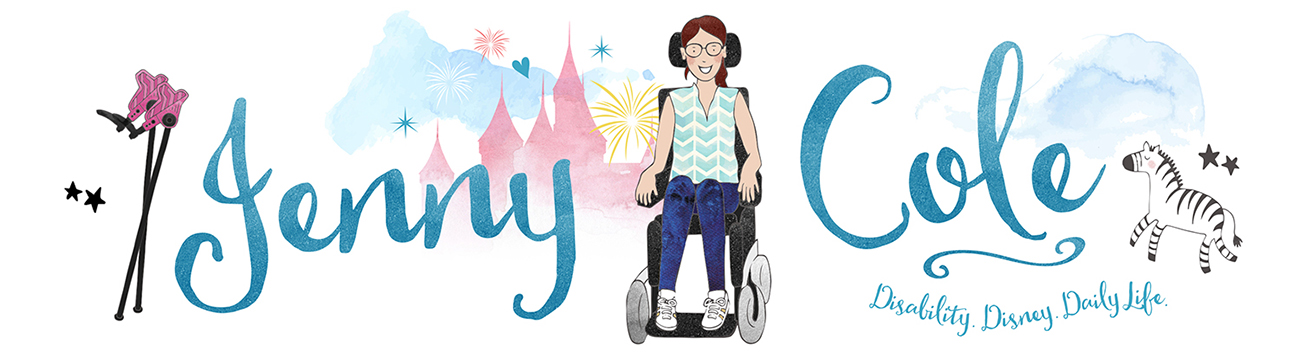
It’s hard to talk about positives related to the Coronavirus, because so much pain and suffering has come from it. But one positive thing the virus and the resulting lockdown have brought is that they have opened peoples’ eyes to the lives of those with disabilities and chronic illnesses. It’s something that Miranda Hart has spoken so eloquently about recently, both on Twitter and on Instagram. The last few months have given non-disabled people a rare insight into what it’s like to have a disability or chronic illness. Of course, it’s not the same. Although there’s uncertainty, there is the prospect of an end date one day with lockdown/the virus, which those with chronic illnesses and disabilities don’t have. But non-disabled people have, often for the first time, experienced how an illness can bring your whole world crashing down around you. They’ve experienced the grief of looked-forward-to plans being cancelled. The fear of seeing an illness, which is out of your control, impact on your ability to earn money and have a career. They’ve seen how hard it is to have to stay at home for most of the time, not able to go to work, to the shops, to socialise with friends or to even get medical care.


Of course, I wouldn’t wish these things on anyone and I certainly wouldn’t have wished for a global pandemic to make these things a reality for everyone. But that’s what’s happened, and I think it’s important that we as a society learn things from our experiences so we can make the world a better place for everyone. Over the course of lockdown, I’ve had people tell me that they had no idea being housebound was so hard. People have said that they didn’t realise until recently the grief that comes when an illness destroys every single part of your life. There have been conversations on social media about what it must be like to be housebound all the time. People have expressed how great all these new accessible measures are. But those conversations are already dwindling. 


Life is getting back to some sort of normality and people are already forgetting their experiences of being housebound. Working from home is becoming less straightforward and the expectation to be back there in person has returned. People aren’t so interested in video calls and virtual groups because they can meet people in person again. Attractions have stopped making virtual content accessible. Those who can’t leave the house are now expected to try and fight for online food deliveries and the phone has stopped ringing with people checking you’re coping OK at home. Most people are getting back to ‘normal’ and are leaving those with disabilities and chronic illnesses behind again. Now that the problem of being housebound isn’t affecting the majority, the drive for non-disabled people to fight for accessibility just isn’t there any more. And we desperately need healthy, non-disabled people to be fighting our corner and being an ally too. 


There is so much that the world could learn from the last few months that would really help those with disabilities and chronic illnesses. So if you’re reading this and wondering what you can do to help us and make the world more accessible, I thought I would list just a few things that you can do to become an ally to disabled and chronically ill people:


·      If you own a company or work in any kind of management role, look into ways that you can help to make working flexible. Obviously some roles don’t lend themselves to working from home, but you could also look at flexible hours or the option to work part-time. And there are many jobs that can be done from home, as the lockdown has shown us. Don’t automatically dismiss job candidates with disabilities or those who ask about adaptations. Talk to them and find out what would make it easier for them to work with you. We are disabled/chronically ill, but we also have so much to give if we are just given the right adaptations for our needs


·       If you have a friend or family member with a disability or chronic illness, please just remember them. I’ve lost count of the number of times someone has said to me, “Oh I didn’t invite you because I didn’t think you’d be able to come.” Please don’t make decisions for us. Invite us to social events and let us decide if we are well enough or if adaptations need to be made


·      If someone with a disability or chronic illness isn’t able to come out in person, look at ways you can adapt to still include them. Ask them if they’d like to chat on the phone or by video call. Is there a way they could get involved with something virtually? Could you perhaps organise some events, such as virtual quizzes or group video chats, that are accessible to them from the beginning? I think the biggest thing is just not to forget them just because they’re not there in person


·      If you work for an attraction (whether that’s a theme park, museum, zoo, gardens or anything else), try to continue with virtual content. Virtual tours or videos have allowed some disabled people to experience ‘going out’ for the first time, when ordinarily they would have no hope of being able to enjoy that attraction


·      Also look at ways the attraction can be made more accessible to those with disabilities/chronic illnesses that might be able to visit in person. Are there enough accessible toilets? Is information in an accessible format? Please actually speak to disabled people and get our views on accessibility measures, as we know what adaptations we need


·      If you work in the live entertainment industry (i.e. putting on musicals, plays, concerts and other live events) consider whether you can continue to provide video content that people can watch from home. During lockdown, some disabled people have been able to watch a West End Musical or enjoy a concert by their favourite musician/singer for the first time, and it’s been great! Accessibility can be a huge problem when it comes to live events and entertainment, so having the option to watch something from home, at a time that suits the individual, is invaluable. There’s no reason you can’t charge for this service either – I don’t think disabled people would expect to get this sort of content for free. So it’s another possible avenue for much-needed revenue, especially at the moment when entertainment venues are struggling so much, and makes live events inclusive for all


·      Although some disabled people may not be able to visit places like theatres or arenas, there are also a lot who can as long as the correct adaptations are in place. So please help disabled people to feel welcome by ensuring access is suitable for a whole range of needs (and again, please talk to us to find out what we actually need). For example, make sure the booking process is accessible, that there is enough accessible seating (both for those in wheelchairs and those who may not be able to walk far/climb stairs), that there are accessible toilets and that programmes are available in different formats


·      It would help a lot of people with disabilities and chronic illnesses if the NHS could continue to make greater use of virtual medical appointments. Obviously these aren’t suitable for all appointments – we will still need to visit hospitals for tests, treatments and appointments that require us to be examined or seen in person. And sometimes I quite appreciate being able to see a Doctor in person. But for a lot of appointments, talking on the phone or by video call would be absolutely fine. Virtual appointments would save us having to use limited energy to travel long distances, would mean we could save money on travel costs and parking and would also mean that those who are too unwell to leave the house can still access the medical care they so desperately need


·      I think it would be great if we continued to be more aware of those in our local community who might be housebound or who find it difficult to leave the house. In our community a series of Facebook groups have been set up so that those shielding could ask for help if they needed it. I would love to see these groups continue to be used once lockdown has eased, to try and continue to help those who might need it. But more than that, we need to be checking on our neighbours because not everyone will have social media. If everyone checked on the neighbours around them, then no one would have to face the world alone. So why not drop a note through your neighbours’ doors to let them know your details if they need anything. Get to know the people who live around you – sometimes disabled and chronically ill people may not need any practical help, but would just love some social contact


·      And in the wider society, it would be great to see a bit more focus on those with disabilities and chronic illnesses. I’ve seen a lot more articles written by disabled and chronically ill people during the pandemic because the media realised we have something to contribute on this particular issue. But this inclusion needs to continue – our experiences matter. And we don’t just have to contribute to disability and health related topics – we have other talents and views on a whole range of other things too!


I think the biggest thing society can do to be an ally to people with disabilities and chronic illnesses though, is to listen to us, include us and remember we exist. Please, if you take one thing away from lockdown, let it be an increased awareness of what it is like to live with a disability or chronic illness. This period of time has given everyone a unique insight, albeit only a brief glimpse, of what it is like to have restrictions placed on your life by uncontrollable health circumstances. You have experienced the fear and anxiety that comes from a medical condition, the grief that comes from having your plans cancelled and having no control over when you might be able to do things again and the overwhelming loneliness and isolation that comes from staying in your home for months on end.


So please, don’t forget how these experiences made you feel because that is just a tiny taster of what it can be like living with a disability or chronic illness. Use your increased knowledge to reach out to family and friends with disabilities and chronic illnesses. Find ways to do what you can to make the world more inclusive and accessible. Join disabled people in fighting for equality and respect. And above all, please, just don’t forget that there will still be many people living in lockdown when you go back to your normal life. 


Has lockdown helped you to understand a bit more of what it can be like living with a disability or chronic illness? Or as a disabled/chronically ill person, have you noticed any positive or negative changes as lockdown restrictions are being eased?