Showing posts with label Advice. Show all posts

Friday, 20 September 2019

What if getting your Smear Test isn't straightforward?

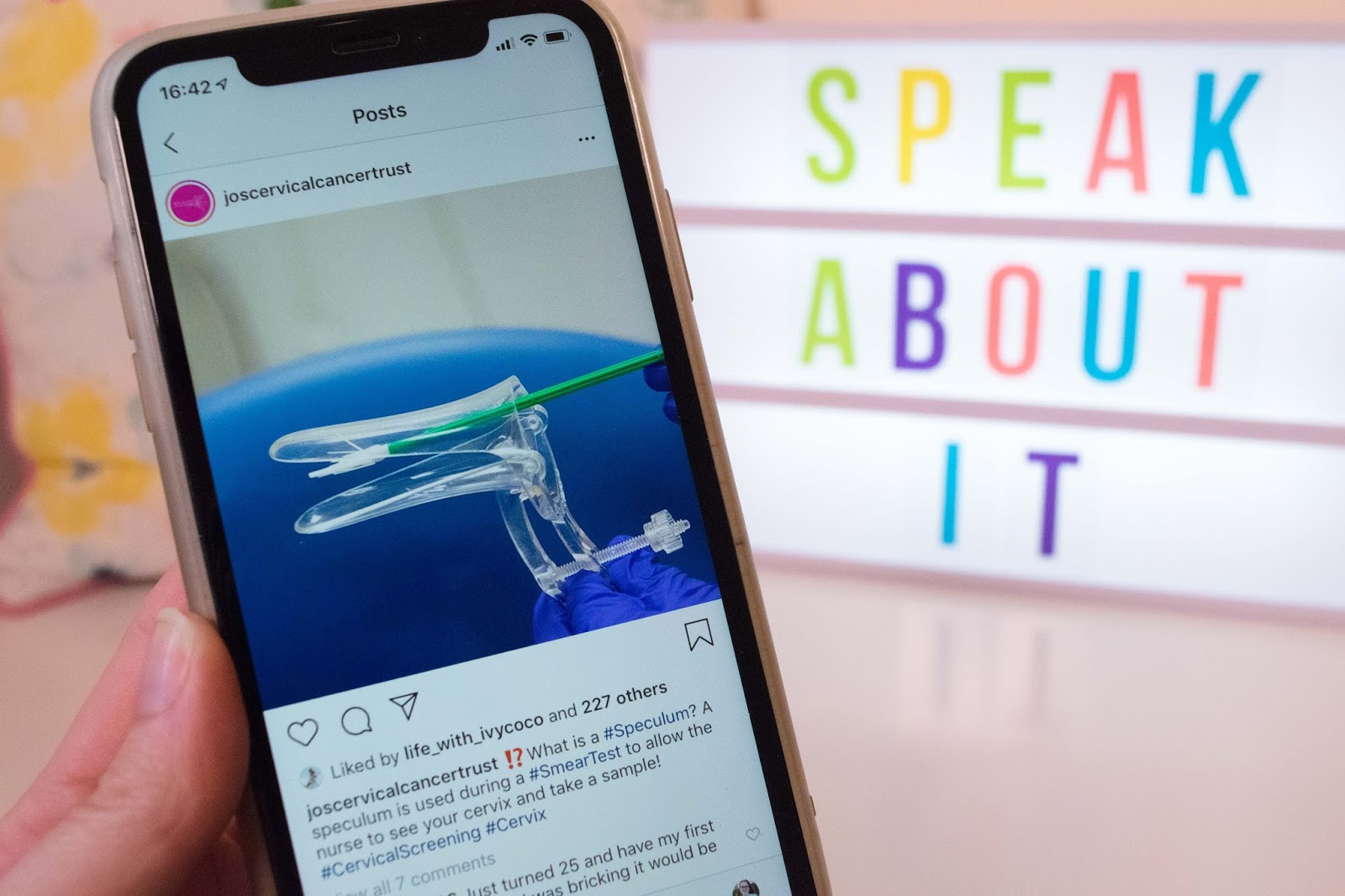
According to the charity Jo’s Cervical Cancer Trust, attendance for cervical screening (or smear tests) is at a 19-year low in England and a 10-year low in Scotland and Wales. This means that, when they receive their invitation letter, one in four women are not making an appointment to be checked. Things are going on to try and help reverse this shift. For example, the recent Channel 4 documentary about Jade Goody’s life, which includes her journey with cervical cancer, has got a lot of women talking about, and booking, their cervical screening tests. And recently, Zoe Sugg (aka. Zoella) uploaded a video that showed her having a smear test and asking the nurse various questions about the procedure. Over 1.4 million people have watched it so far. And it’s not just these high profile celebrities who are raising awareness of why it’s so vital to go for your cervical screening appointments. You only have to look at Instagram to see hundreds of thousands of pictures discussing the importance of having regular smears. 


And don’t get me wrong – this movement of women taking ownership of their health and encouraging others to do so too is fantastic. And for most people, these campaigns are enough to inspire them to book an appointment and get checked themselves. But the thing I struggled most with, was trying to find stories from people for whom having a smear test isn’t as straightforward as most people say it is. In amongst all the amazing posts and media about why it’s so important to have a smear test, I also found a lot of content shaming people for not having one. And that’s why I have decided to write this post. Not to put people off going for their appointments or to scare people off who haven’t been for a test yet. But to reassure others that they’re not alone if they struggle, for whatever reason, to go for their cervical screening. And that that struggle is nothing to be ashamed of. 


Like most women, I received an invitation to go for my first smear test just before my 25thbirthday. As someone that has had a huge number of medical tests over the years, I wasn’t too worried about the prospect of another one and so, fairly quickly, booked in with my GP Practice. On the day of my test, although feeling a little apprehensive about something new and different, I went in to see the nurse on my own, as I have done with many tests before. She asked me all the usual questions and told me how the test would be carried out, and then asked me to lay on the bed so she could proceed with the test. And this is where things started to go wrong. I found the test incredibly painful – so much so that I was in tears because of it. It didn’t help that the nurse I saw didn’t seem to be particularly gentle or sympathetic, and made comments about how difficult I was making it. After what felt like ages she finally managed to get the sample and I left feeling completely traumatised. 


Thankfully the result came back negative, so I tried to just forget about my experience for the next three years. But when my next invitation letter came three years later, the panic set in. I just couldn’t face going through that experience again. In the end, I went to talk to my GP about it. She told me that it was my choice whether I went to have the cervical screening done and that I didn’t have to get it done if I didn’t want to. But the problem was, I did want to – I knew how important the test was and I wanted to make sure I was doing everything I could to keep myself as healthy as possible. We talked about it quite a lot and in the end, decided that I would give it a try and if things really didn’t work, then we could talk again. She did also recommend asking the nurse to use a smaller speculum. 


And so, with a lot of apprehension, I booked in for my second cervical screening test. This time round, I decided to take my Mum into the test with me for some moral support. Pretty much as soon as I entered the room though, the nurse asked me why I’d brought my Mum in. I explained that I had found the test traumatic last time and for a couple of other reasons as well, I just needed someone I trusted with me. The nurse then told me that it was very strange that I would bring someone in with me and that she’d never seen anyone else need to do that before. My Mum was told to wait in the room next door while I had the test, so I was effectively on my own. So before we’d even started the test, I was feeling humiliated and upset for being what I now felt was strange. And the test didn’t go much better. We had the same problems with excruciating pain and the nurse not being particularly gentle while she tried to find my cervix. She kept telling me that my cervix was in a funny place and that I shouldn’t be in so much pain. Despite all this, somehow, she managed to take a sample and I left. 

I remember leaving the Doctors Surgery and bursting into tears – I felt like there must be something really wrong with me. Everyone else I had spoken to or heard talk about having a smear test said it was, at worst, a bit uncomfortable, but was over in a couple of minutes. So why wasn’t it like that for me? Ever since then, I have felt embarrassed about the whole process and the fact I couldn’t do what every other women could apparently do. 


Then a few months ago, I received my next invitation letter and my anxiety hit the roof again. This time, I really was tempted to just not go because after two horrible experiences and some other life events that have happened, it felt like burying my head in the sand was the easiest thing to do. Problem was, I had been getting some bleeding in between my periods and knew that, if I went to see my GP about it, the first thing she would say is that I needed a smear test. Plus, the bleeding was also giving me massive anxiety because I had no idea what was causing it. So I could either ignore my letter and continue to worry about the bleeding, or book an appointment and worry about the test instead. I went for the second option.

Out of all the medical tests I’ve had (and some have been pretty horrible) I think this was the one I felt most anxious about. In the weeks leading up to my appointment I was getting panic attacks, not sleeping properly, nightmares and generally just felt awful. The day came and this time my appointment was with a new nurse I had never seen before. I decided to go in on my own and I’m pretty sure as soon as I sat down the nurse could tell how anxious I was! She talked to me for quite a while, going through the normal questions and asking about previous tests. I tried to explain to her about the problems I had had with my previous tests and how worried I was about being there. I also spoke about my Ehlers-Danlos Syndrome, and how it can make it more painful to lie in the correct position. She was very sympathetic, listened to me and I didn’t feel judged at all, which started to put me at ease. As I lay on the bed, she explained exactly what she would be doing and showed me the instruments she would be using. She had got out a smaller speculum at my request and showed me exactly how it worked. Then she told me she would talk me through everything she was going to do and that if, at any time, I was finding it too difficult, I could ask her to stop.


The first time she tried I think I nearly shot through the roof because of the pain it caused, but true to her word, she immediately stopped and gave me some time to just breathe, move around and relax. When I was ready, she tried again, and this time, although it was uncomfortable, I wouldn’t say it was painful. I tried to focus on my breathing to keep myself calm, but after a while, the nurse told me that she was unable to find my cervix and would need to try again. My heart sank. But the nurse was lovely about it. She told me to make my hands into fists and then place them under my bottom, as this would help to tilt my cervix into a better position. She then tried again, and in a couple of minutes the test was complete. I think I nearly cried with relief this time rather than from pain or embarrassment. 


After I’d got dressed, I sat down with the nurse again, and she told me that I have a tilted cervix, which is what makes it harder to find. She reassured me that a lot of women have it, so it’s nothing strange or abnormal about me. She also told me that I have something called a cervical ectropion, which is very common among women who are on the pill, and could well be causing some of the pain and bleeding. I honestly just wanted to cry – finally someone was explaining to me why I might find having a smear test more difficult than some. This time, I left my appointment feeling relieved and empowered, all because I had a supportive nurse that really listened to my needs and worries.


Now don’t get me wrong, I’m still pretty anxious about having to have my next cervical screening in three years time because I know that it is still likely to cause me pain. And being disabled just adds to the issues by making it more difficult to access. But I guess I wanted to tell my story because it shows just how important it is to find a medical professional that you can really talk to about your worries when it comes to your smear test. There are so many different things that can be put in place to make the experience more manageable for you – that could be using a different sized speculum, having a friend/relative come with you (which, by the way, is completely normal and lots of people do it!), making adjustments for a disability or even going to a specialist hospital clinic for people who find smear tests particularly difficult.


So whether it’s your first smear and you’re scared of the instruments they use, whether you need to wear fancy underwear or if they will judge you for how you look down there. Or if it’s your third, fourth, fifth plus test and you’ve had experiences in the past that might make the whole process more difficult for you. My biggest piece of advice is to just talk to someone. Whether that’s your Mum, sister, friend, GP, the nurse or even a charity like Jo’s Trust (0808 802 8000). If something is worrying you about your smear test – anything at all – please talk to someone. I promise you’re not alone in finding it difficult. And the more we speak about our own experiences, the more people will realise that every smear test is different and that it’s OK if yours isn’t a straightforward process. 


Have you found having a smear test difficult? What advice would you give to others in a similar position? 

Sunday, 23 December 2018

Coping with Christmas and Mental Illness

I’ve always been someone that has loved Christmas. The build up, adverts on TV, lights going up around my town and the day itself spent with loved ones. But for a lot of my life I have also struggled with mental health problems, so I know how difficult Christmas can be when you’re fighting mental illness at the same time. It’s the reason why, this year, I wanted to do a post on my blog with some suggestions for getting through Christmas when you have a mental health problem. Obviously everyone is different, so not all of the advice will suit everybody, but hopefully there will be something here that will help make Christmas that little bit easier. 

These tips and words of advice have come from a number of places – from when I was in hospital and received guidance from my therapists and doctors, to speaking to others going through difficulties, as well as things I have learnt myself along my journey. I’ve decided to split this post into two halves. The first half will contain general suggestions for anyone struggling with a whole range of different mental illnesses, from Depression and Anxiety to Bipolar Disorder or a Personality Disorder. But in the second half, I wanted to focus specifically on helping anyone who is currently fighting an eating disorder. Although some of the points can apply to anyone, I found through being in eating disorder treatment that I picked up specific pieces of advice around managing food and eating disorder behaviours over the Christmas period. There are quite a few points, but I’ve tried to organise them and split them up to make the post as easy to follow as possible.

Coping with Christmas and Mental Illness in general

Try not to compare yourself to others

Like a lot of the advice I’ve picked up, this one is easier said than done! And it’s something that I really try hard not to do the whole year round, not just at Christmas. But especially at Christmas, I can often feel completely overwhelmed and can feel like everyone else is having an amazing time whilst I’m drowning under wrapping paper and budgeting. Social media can be particularly difficult (as much as I love it!) when you’re scrolling through Instagram or Facebook and all these beautiful photos keep popping up of people decorating their homes, wrapping their presents or going on amazing Christmassy trips. It’s easy to think that everyone has got their lives sorted and that everyone else is having the perfect Christmas, but it’s important to reassure yourself that this really isn’t true. 


Yes, they may be posting lovely photos online, but we don’t know what’s going on behind those snapshots. The rest of their house could be a total mess, they may have been up all night just to get their presents wrapped or that Christmas cake made and decorated or they may be stressing out about money. So as hard as it is not to take those posts at face value and feel like a complete failure, I find it so helpful to remind myself that the majority of people will be stressing out about Christmas in one way or another, so I’m definitely not alone!

Plan social activities

I don’t know about you, but when I’m struggling with my mental health, the last thing I want to do is be sociable. I would much rather shut myself away at home and distance myself from the rest of the world. But in the long run, this usually results in me just feeling lower – convincing myself that no one cares and that I’m completely alone in the world. So I think it can be helpful to plan a sensible amount of social activities over the Christmas period so that you’re not isolating yourself and ending up alone with your negative thoughts. Obviously you need to make sure you are planning things that you are going to enjoy, or if you’re not sure you’re going to enjoy them, at least planning things where you know you will feel safe and comfortable. I can’t think of anything worse than going out clubbing until the early hours, so I’m much more likely to plan to meet a friend for a cuppa or to ask someone on a cinema date to see a Christmassy film. But even something as ‘little’ as asking a friend or family member over to watch a DVD will make a difference to your mood, so try and have a think about what you feel you could manage to do over the next few weeks.


But also have some ‘me’ time

As important as it is to make sure you socialise, I also think it is just as vital to allow yourself some time alone. I actually quite enjoy being on my own (as long as it’s not all the time) and as long as it’s planned, I don’t think it’s a negative thing at all. Time alone gives us the opportunity to relax and recharge our batteries, which is much needed at this time of year. So whether you decide to spend an hour or two reading a good book, watching a film on Netflix, having a bubble bath or just catching up on writing your Christmas cards, don’t feel bad about not being out and about 24/7.


Write lists

I’m a big list writer and will happily start my list with a few things I’ve already done, just so I can tick them off and make myself feel a bit better! But especially when Christmas comes round, I think it can be really helpful for our mental health to write things down. At this time of year, I can often just feel like my head is spinning with all the different things I need to get done. It sends my anxiety through the roof and then I usually end up feeling more depressed because I’m so overwhelmed that I just don’t know where to start. But writing all those things whirring round in my head down can really help me to reduce that anxiety – all of a sudden instead of all of these things going round in my head, they are now on a piece of paper and I don’t have to constantly think about them any more. It also really helps me to feel motivated as I begin to tick things off my list because I can look back and see what I’ve achieved. 

Don’t put unnecessary pressure on yourself

I feel like with this piece of advice, it’s do as a say and not as I do! Because I’m terrible at following this one! As Christmas comes round, we can often feel like there are so many things that we ‘have’ to do. Whether that’s writing Christmas cards for your whole address book, baking festive treats for the school Christmas bake sale or preparing Christmas lunch for the extended family – there are always things that we tell ourselves we must do. But I think it can be helpful to take a bit of a step back and actually look at all the things on our to-do list and ask ourselves if they really need to be done. Or if they need to be done in the way we are currently trying to do them. So, rather than sending Christmas cards to everyone in your address book, why not just send them to those closest to you? Or tell everyone that instead of sending cards this year, you are going to donate to charity instead. Do you really need to bake three different types of treats for the school bake sale? And if you’re hosting Christmas lunch, why not ask your guests to pitch in and bring some of the dishes with them? We tend to end up thinking we need to do 110% and to do it all ourselves, when in reality the pressure we are putting on ourselves is not necessary (believe me, I’m the worst for doing this!) There’s nothing wrong with asking others to help you or for cutting things down. People who love you won’t mind and would much rather you were healthy and happy at Christmas. 


Talk to someone

If you’re feeling worried/stressed/upset or anything else about Christmas, then please make sure you talk to someone about it rather than bottling up all those negative feelings. I know it can sometimes be really difficult to talk to friends and family about your mental health, so if you’re struggling to talk to those around you perhaps look further afield. If you’re having regular therapy, then talk about your worries there – it’s what its there for and you will feel a lot better for getting those stresses off your chest. I often found in therapy, I would bring something up that was really worrying me, and talking about it would help me put it into perspective. By the end of my session that anxiety wouldn’t feel half as bad. If you don’t currently have a therapist, there are also charities that offer helplines. I’m a big fan of Mind and The Samaritans who have both helped me through some really difficult times.


Get some sleep

Getting into a good sleep routine can make the world of different to our mental health, but like so many other things that are good for us, it can be easier said than done! Especially when Christmas comes around, it can be very tempting to stay up late and wrap presents or watch something on TV. But the next morning you end up feeling groggy, lethargic and more anxious or depressed than usual. So, if you can, try to get yourself into a regular bedtime routine to give your body the time it needs to recharge. Whether that’s having a warm bath, reading some of your book with a cup of tea and then snuggling into bed or simply turning off the computer at the same time each night, it’s amazing the difference a routine can make (this is one I am definitely trying to get myself to follow!)

Get outside

This time of year, it is so tempting to just hibernate inside away from the cold, dark and rain. But I know for me, if I spend too much time inside I can start to feel the effect on my mood. I start to feel more down, more lethargic and just generally more frustrated by life. It’s not easy when the weather is rubbish, but even if you just go out in the garden for a few minutes or open your bedroom window to feel the fresh air on your face, it can make a real difference. If I can, I like to try and get out in my wheelchair for a bit of a ‘walk’ – seeing the frosty grass or the leaves changing colour and smelling that bonfire smell just really seems to help lift my mood a bit. And when life is so busy and everyone’s rushing around getting ready for Christmas, getting back to nature and away from the hustle and bustle can really help to calm my anxiety.

Set realistic goals

This is another point that doesn’t just have to apply over Christmas. But especially at this time of year, when you feel like you need to be doing everything, seeing everyone and giving everything, it is really important to be realistic in the goals you are setting yourself. I find goal setting quite helpful for my mental health because it gives me something positive to focus on and a reason to get out of bed in the morning. But there’s no point in setting unrealistic goals that will just leave me feeling like a failure or completely burnt out before Christmas has even arrived. I try to plan what presents I want to get everybody and also roughly how much I am able to spend on each person. It’s very easy to get carried away before you realise how much money you’ve spent, and with money being one of my biggest anxieties over Christmas, setting realistic spending goals just helps reduce that anxiety a bit. I also find it helpful to look at my calendar for the whole of December so I don’t put too much pressure on myself. I look at the things I have to do like hospital appointments, then try and schedule in a few nice social activities, but also make sure I’ve got days when I can just be at home.

Have a plan of escape

Something I learnt while I was in therapy was to have a plan of escape for if things were getting too much for me in social situations. When you’re struggling with your mental health, just going along to social gatherings can be difficult. And I know I often feel like once I’m in that social situation I may not be able to leave, which just ends up sending my anxiety through the roof. So before events now, I will often have a plan in my head of what I will do if things get too overwhelming. This will depend on where I’m going and who I’m with. If I’m with people I’m close to, who really understand my mental health, then I find it a lot easier to just be open with them and let them know that I need to head off because I’m not feeling great. But if I’m with people I don’t know so well, it can be helpful to just have an excuse to leave already planned. For example, saying that you need to head off because you have an early start the next day, or you need to get home to let the dog out – yes, they can be little white lies, but if it means you are actually able to get out and do something in the first place then I think that’s OK. I know I often find that just having that escape plan is enough and that it takes some of the anxiety of going out away so I don’t end up needing to use it.


Limit your alcohol intake and eat sensibly

I know this piece of advice is fairly common sense, but when you’re struggling around Christmas it can be tempting to turn to things that might make it feel easier, like alcohol and food. I’m not saying you need to be a saint – we all deserve to enjoy ourselves and take part in the festivities if we want to. But I know from experience that drinking or eating too much just ends up making me feel worse in the long run. Alcohol is a depressant, so as great as it might make you feel when you’re first drinking it, it’s likely to lower your mood as it begins to wear off. And as much as I love all the treats around Christmas, I also know that stuffing myself full of mince pies, Yule log and Christmas tree chocolates just makes me feel sick and lethargic for days later. I try to live by the saying ‘Everything in moderation,’ and that seems to help me enjoy these things without making myself feel worse.

Learn to say no…but don’t be afraid to say yes

I am very much a ‘yes’ person. If someone asks me to do something, I am more than likely to agree. This isn’t necessarily a bad thing, but when you start to put everyone else before yourself all the time, things can start to get too much. As I’ve got older though, I’ve learnt that it’s OK to say no to things! If your calendar is filling up and you just need a bit of quiet time, perhaps suggest meeting up with your friend after Christmas. Or if they invite you to an event that you really feel you can’t manage, why not suggest just meeting up for a cuppa instead. Saying no in the right circumstances can really help you to feel empowered and like you are taking control of your own mental and physical health. 

Although it’s good to say no sometimes, it is also important to say yes too! I know this sounds like a bit of a contradiction, but you don’t want to go from saying yes to everything to saying no to everything. It’s important to find a happy balance. Sometimes, someone might ask me to do something and my gut reaction is to say no. But then I give it some thought, and although it might scare me a bit, I try to push myself out of my comfort zone. Nine times out of ten, I come back having really enjoyed myself, which in turn has a positive effect on my mental health. I guess the moral of the story is – you need to feel like you’re in control of what you’re saying yes and no to, rather than feeling like others are dictating your life.

Look at the bigger picture

This is a technique I use quite a lot and I find it really helps to put things into perspective. When I’m feeling really stressed out about Christmas (or another event) I try to remind myself that it’s only one day. One day out of 365 other days in the year. Looking at it that way, it doesn’t seem quite so daunting, and if I can get through those 24 hours, then I’ve done it! And in a month’s time, will I still be stressing about Christmas? No, it will be a distant memory. Looking at the bigger picture just helps me to reduce my anxiety around them a bit and look at them in relation to everything else that’s going on in my week/month/year.

It’s OK not to feel excited

This final piece of advice is possibly the one I have found most helpful over the years. As Christmas approaches, everywhere we look people are telling us to get excited, look forward to the big day and go a bit crazy. So it can feel quite difficult if those are the last things you feel like doing. But remind yourself that it’s OK if you don’t feel those things – believe me, not everyone does. Give yourself permission to just feel however you are feeling at the time. If you’re worried, then that’s OK. If you’re sad, then you’re allowed to feel that way. Yes, you may not want to, but it’s important to acknowledge and talk about those feelings because they’re there for a reason. And it just takes off the pressure of forcing yourself to be happy when you just aren’t. 

Coping with Christmas and an Eating Disorder

Stick to your meal plan


Generally, if you’re in eating disorder treatment, you are likely to have a meal plan that you follow every day. So if you’re just starting your recovery, or are struggling a lot at the moment, then it’s OK to just stick to your everyday plan if that’s what feels safest at the time. You might feel a bit different if you’re not eating exactly the same as everyone else around the table, but the important thing is keeping on track with your recovery. And if that means sticking to your meal plan, then that’s absolutely fine.


But adapt your plan if you can

There’s absolutely nothing wrong with sticking to your normal plan, but if you feel able to (and it won’t put your recovery back) then it can be good to change things about a bit over Christmas. There are lots of different foods this time of year, and it can feel really scary when its things you haven’t necessarily eaten for a long time. But while I was in treatment, we were encouraged to adapt our meal plans to include some traditional Christmas foods as well. So, for example, instead of our usual biscuits at snack time, we might have a mince pie instead. And for dinner on Christmas Day, we would incorporate the Christmas meal that the rest of our family were eating. It just meant that we were challenging ourselves a bit, but also that we felt part of Christmas because we were joining in with everyone around us. 


Prepare and plan

Talking of meal plans; I found it so important to make sure I had my meal plan set well in advance of Christmas. I would sit down with my family and we would go through what they would be eating around Christmas. They would then help me write my own plan, just like I would with my normal meal plans, including snacks, puddings etc. Doing this well in advance just meant that we all knew what to expect – I knew what I was meant to be eating, as did my parents, and it reduced the likelihood of arguments over food on the day. 

Eat regularly

Meal times can be a bit all over the place over the Christmas period, so it’s important to make sure you are eating regularly, especially if there are going to be long gaps between main meals. I know that I found, if I allowed myself to get too hungry I would either end up binging, or I would find it really hard to start eating again. So eating at regular intervals helped me keep on top of things like that. Having your own supply of snacks with you can be really helpful, and this is also where your meal plan will help too.

Try not to label foods good and bad

This was something that was drummed into us in eating disorder treatment – there is no such thing as a good or a bad food, despite what the media might try and tell us. And especially at Christmas, this can be really hard with different foods and everyone talking about weight gain, eating naughty things and the post-Christmas diet. But try to remind yourself that it’s all about moderation. If you eat a mince pie for your snack, then there’s absolutely nothing ‘bad’ about that. Yes, if you sat and ate five packets of them, then that may not be such a good idea. But eating a balanced diet and allowing yourself a range of different foods is what is most important in your recovery.


Have a list of distractions

I have always found after meals quite a difficult time, and I spent a long time struggling with making myself sick after eating. So I find it really helpful to have a list of possible distractions – things I can do once I’ve finished eating to give me something more positive to think about. These distractions can be pretty much anything that works for you. Whether it’s colouring, reading, watching a film, listening to music, knitting, writing letters – the list is endless. 


Conversation cards

It’s not just the time after eating that is difficult, as mealtimes themselves can be a struggle too. This can be made worse around Christmas, when perhaps you’re eating with people you don’t normally have to eat around. It can often feel like everyone’s eyes are on you (even though I promise you they’re not). But something that can help with this is to have conversation cards on the table. This is something people often do around Christmas anyway, just to add a bit more fun to meal times, so it doesn’t have to be specifically because you have an eating disorder. It just gives everyone things to talk about to keep conversation away from anything that you might find triggering.


Play music

Another tip for during meal times is to have music playing (and Christmas music would be great at this time of year!) When I was in Day Patient Treatment, we would always have the radio playing during our meal times and it really did help. It takes away that awkward silence and would give me something to focus on if I was particularly struggling. 

Ask a relative to speak to extended family

This is the time of year when we tend to eat around people we don’t ordinarily eat around, and this can be incredibly difficult when you’ve got an eating disorder. It may be that you have friends or family coming to your house over Christmas, or you may have been invited somewhere yourself. If possible, it can really help if someone you are close to can speak to everyone else in advance about what to avoid saying. Some people can think that commenting on weight gain or what a good portion you’re eating will be helpful, when in reality it can trigger a relapse – the last thing you want to happen. So if a close friend or relative can talk to everyone in advance, it takes away that worry that people might say something triggering on the day. And it can also help them to feel less anxious about what they’re going to say to you too!

Have a supporter

This sounds very official, but in reality it just means finding someone you trust to look out for you on the day. When I was in treatment and we went to family gatherings, I would talk to my Mum or Dad in advance and agree some signals that I could make if I was finding things too much. They could also keep an eye on me and look out for if I needed a bit of extra support. Having that safety blanket there definitely made social situations and meal times a bit less daunting. 


Continue as normal after Christmas

If you’ve changed things up a bit over Christmas or eaten foods that you don’t usually eat, it can be tempting to try and compensate in the days and weeks after. Guilt can take over and all of a sudden you feel like you need to restrict and cut things out of your plan, but believe me when I say it really doesn’t help you in the long run. If you’re struggling after Christmas, then please do talk to someone, whether it’s your therapist, someone close to you or the Beat Helpline. It’s much better to talk about those feelings than it is to start reverting back to eating disorder behaviours.

Be kind to yourself

My final point for this post is just to try and be kind to yourself. I know that this is so much easier said than done, and it’s something I still try to work on every day, but I think it’s one of the most important things we can do. Focus on all the things you have achieved this year – however big or small they are. Focus on the fact that you’re making it through Christmas, and even if you slip up, that’s OK – you don’t need to beat yourself up. Slip-ups are part of recovery and we all make mistakes. I just keep trying to remind myself that I deserve to be happy and to eat nice foods (and even if I don’t believe it, I still keep telling myself so that one day, hopefully I will believe it). 

I really hope that somewhere in this post you might find something that will help you get through this Christmas. And I really hope that the New Year will bring you peace, comfort and happiness. 

Do you have any advice for coping with Christmas when you have a mental illness?


Thursday, 23 August 2018

Disneyland Paris Planning Tips


I may have mentioned once or twice (OK, who am I kidding…I haven’t stopped talking about it for the last year!) that we are going on a family holiday to Disneyland Paris in September. We’ve been once before, but it was ten years ago, so I feel like we’re approaching it as first timers again. This time round, I’ve done a lot of planning to help make sure we have the best time possible and experience everything we want to experience. To do all this planning, I’ve spent literally months researching everything you could possibly need to research, so I thought I would share some of the advice and tips with you that I’ve discovered. I can only speak from the point of view of a prospective holidaymaker, as we haven’t had a chance to actually put all this research and planning into action yet. But perhaps once I’m back, I can do another post about what I learnt on my Disney holiday and what we would do differently/the same next time. I’ve split my planning into smaller sections, so hopefully it will be a little less overwhelming!

General Planning:

One of the best ways I have found to plan for our Disney trip was by watching YouTube videos and reading blog posts. There’s so much Disney content out there that pops up with a quick search – you can pretty much find information on anything you could possibly think of. I will say that I found it easier to find content about DisneyWorld Florida though, which is why I wanted to create some content about Disneyland Paris. 


I’ve got a few favourite YouTubers/Bloggers who make fantastic Disney content, so I thought I would share them with you. Even if you’re not planning a trip to Disney any time soon, I can guarantee you will still enjoy their Disney videos and blog posts! They are:
·     Brogan Tate
·     Sarah Louise Porter
·     Brummy Mummy of 2
·     Louise Pentland
·     Alex Gladwin and blog
·     Lara Joanna Jarvis and blog


Another invaluable resource has been the Facebook group ‘Disneyland Paris for Brits’. It was recommended to me by a friend and has been so incredibly helpful with all my planning for our trip. There are thousands of members who discuss every possible detail you can think of including hotels, travel, disabled access, food, photos and so much more. I’ve asked quite a few questions over the last few months, and you always get a really helpful reply from someone that has already been to the park. 

Booking:

When booking your Disneyland Paris holiday, my biggest recommendation would be to look out for deals! Whenever I’ve looked at holidays to Disney (yes, I do sometimes just like to pretend I’m going to Disney and dream about holidays!), I have always found there’s a good deal to be had. Whether that’s getting a meal plan free or a couple of extra nights added on to your package, it’s always worth looking around to make sure you get the best deal you can possibly get.


We booked our holiday with the Walt Disney Travel Company, paying for two nights and getting another two nights for free. We probably wouldn’t have been able to afford to stay for a whole week if we hadn’t used that deal, so it’s definitely worth doing a little research and perhaps holding out a week or two if you can’t find a deal first time. 

Travel:

As you plan your holiday, you’re going to need to think about how you want to travel there. There are all sorts of different options from the Eurostar or Eurotunnel to taking a ferry or flying. The one you choose will depend on a number of things – where you’re travelling from, what you can afford, whether you want to take your own car and your own personal preferences. We decided to travel by Eurostar, as we don’t live too far from London so a taxi to St Pancreas is going to be relatively easy. The train also goes straight into Disney, so as soon as you get out of the station you are right in the middle of the action without having to worry about transfers. When we rang to book our holiday, the Disney cast member actually advised us to book the Eurostar tickets separately, as it would work out cheaper, so it’s worth considering that before you book the whole thing together.


With the Eurostar, you can also add something called Disney Express Luggage and Advance Check-in Service, which basically means you can go directly to the parks without having to check-in to your hotel first and your bags will be waiting for you at your hotel. We did this when we went ten years ago and it was really handy, but back then it was included in the price. Now, you have to pay extra for the service and we decided that it would be better for us to just sort out our own bags and check-in. But it’s something to consider if you want a completely hassle free start to your holiday.


Accommodation:

Another part of your trip to think about is where you’re going to stay. Again, there are a lot of different options depending on your budget, how close you want to be to the magic and the type of place you want to base yourself in. There are eight different Disney Hotels, which vary in price from the most expensive (the Disneyland Hotel) to the slightly more basic (Davy Crockett Ranch). If you stay in a Disney Hotel, you get Extra Magic Hours, which means you can get into the parks an hour before the general public. Great for if you want to beat some of the queues and ride the most popular rides or meet characters without too many people around. There is also a free shuttle bus, which will take you from your hotel to the parks and back again (apart from for the Davy Crockett Ranch). Each hotel offers something slightly different, so it’s worth having a read about each one to find one that suits what you’re looking for. We’ve opted to stay in Disney’s Hotel New York, which will soon be closing down to be refurbished, so it will be nice to have a chance to stay before it changes completely. 


To stay in a Disney Hotel is probably the most expensive option, so if you’re not so bothered about the benefits staying in one brings, it might be worth looking at the Partner Hotels. These are slightly further away from the parks and don’t come with the bus and extra hours facilities, but still do have a lot to offer. Again, they have varying rankings and offer different facilities, so there should be something to suit every budget.


If neither of these options appeals, there are plenty of other places to stay nearby. There will be other hotels that aren’t connected to Disney at all, or there are plenty of Air B’n’B options if you’d prefer to be in a self-contained place. 

Dining:

Possibly the most important part of any holiday is the food! Disneyland Paris offers plenty of places to grab a bite to eat, but it’s worth thinking about how you want to approach your dining. Disney offers Meal Plans, which you pay for in advance and will cover some or all of your meals. You can choose between Breakfast, Half-Board or Full-Board, then each type also has different levels depending on the type of restaurants you want to eat in. At first we didn’t think paying for a meal plan would be worth it, but after looking at the menus and working out how much we were likely to pay if we paid as we went along, we realised getting a plan would actually save us a lot of money. So we have gone for the Half-Board Plus Meal Plan, which means we get breakfast in our hotel, and then either lunch or dinner in a choice of more than 15 different restaurants. 


I would also highly recommend booking your meals in advance, especially if you’re looking to go to the most popular restaurants, as they fill up exceptionally quickly. You can ring 60 days before your holiday, which is what we did and the cast member was so helpful with getting everything we wanted booked in. If you book your holiday with the Walt Disney Travel Company, there will be a UK number on your paperwork. Otherwise, there is a French number on the main Disneyland website – I’d suggest either ringing early in the morning or late in the evening so you’re not on hold too long and therefore not having to pay too much for the call. 


I thought you might be interested to hear what our plan is for eating while we’re away. Most mornings we will be having breakfast in our hotel, so I haven’t added that to the plan. We also haven’t booked our lunches/lighter meals, so these may change once we’re there, but we thought it was a good idea to have a plan to aim for. This is our idea so far:

·     Monday lunch – Bistrot Chez Remy (We’ve booked a late lunch for 3pm, as they don’t serve dinner here)
·     Monday dinner –Planet Hollywood/Rainforest Café 
·     Tuesday lunch –Earl of Sandwich
·     Tuesday dinner –Cape Cod – 7pm
·     Wednesday lunch –Casey’s Corner
·     Wednesday dinner –Hunter’s Grill – 7pm
·     Thursday breakfast –Plaza Gardens – 9.45am (This is a character breakfast, so we will need to pay a top up, as it’s not included in the meal plan)
·     Thursday lunch –Colonel Hathi’s Pizza
·     Thursday dinner –Inventions – 7pm (Again, this is a character meal, so we will need to pay a top up)
·     Friday lunch –Vapiano

Disability:

Travelling anywhere when you have a disability can be anxiety provoking because there seems to be so much more planning needed than for able-bodied people. Obviously this advice will depend on what your disability is (or whether you have one at all), but I’ll try and cover everything that is likely to help me. If you don’t know, I’m chronically ill and use a wheelchair, so travelling and going abroad isn’t the easiest of things to do! The first thing I want to address is disability access on the Eurostar. When we rang up to book our tickets (months in advance) we were told there were no wheelchair spaces on the train we wanted to go on. So we asked about other trains on the same day/other days and again, were told there were no wheelchair spaces. It turns out that each Eurostar train going directly to Disney only has space for two wheelchair passengers, which I personally think is crazy considering how huge the trains are. It’s putting disabled people who want to travel at a massive disadvantage. We had to decide whether to cancel our holiday or try and work around it, so we rang back and they said we could bring my manual wheelchair (I had really wanted the independence of having my electric wheelchair) and fold it up, but that we would probably need to upgrade out of standard class so there would be room to store it. So we ended up doing this, and paying for the privilege. I’m personally pretty hacked off about having to pay a higher price to travel just because I need a wheelchair – I think it’s downright wrong. So, if you need to travel by Eurostar in your wheelchair, I would recommend signing up to their newsletter and booking tickets as soon as they come out to try and make sure you get one of the two wheelchair spaces. 


Once you actually get to Disney, there are certain things you can do to make your holiday a bit more relaxed and enjoyable. If you have a disability, you an get something called an Access Card by either going to Donald Desk, City Hall or Studio Services when you arrive. You will need to provide evidence of your disability (so something like a Blue Badge, PIP/DLA letter, Medical Certificate etc.) but it’s best to check what evidence is accepted for your specific disability before you go. There are two types of Access Card:

·     Priority Card – for anyone officially registered as disabled
·     Easy Access Card – for guests with a temporary illness and for pregnant women

The cards have a number of benefits, although these do vary depending on the type of card you have. But they can include:

·     Not having to queue for rides
·     Accessing rides through specially adapted entrances
·     Access to specially designated areas for parades and shows (so you can actually see if you’re in a wheelchair!)
·     You can take up to four helpers with you as well


If you have a registered disability, you can also claim back the cost of the Disney Parks admission for one helper, as long as you have your official disability documents. I know this will be a massive help for us, as I wouldn’t be able to travel and access the parks without a carer. There are also accessible rooms in the hotels, which you can ask for when you ring up to book your accommodation. And Disney also produce Accessibility Maps, which contain information about accessibility on all rides, restaurants and attractions within the parks. 

In the Park:

To round this post off, I thought I would also share a couple of tips to help you when you’re out and about in the parks themselves. Firstly, there are a couple of apps, which I would really recommend downloading (they’re both free!) The first is the MagiPark App which allows you to keep a track on waiting times for rides, rather than having to go to the actual ride to find out. This means you can be enjoying other things around the park whilst keeping an eye on the waiting time for your favourite ride. As soon as the time goes down, you can head on over and join the (hopefully shorter!) queue. The app will also tell you which attractions are experiencing momentary service interruptions or closures, where restaurants are and where the nearest toilets are too. 


Another app that will be good to have while you’re in Disney is the official Disneyland Paris App. This app also allows you to check wait times for attractions in both parks and makes exploring easy with GPS-enabled maps that show your location and the attractions, restaurants, shops and more near you. It contains information about timings for parades and entertainment, as well as park hours, accessibility information and descriptions of attractions to help you plan your days to be as fun-packed as possible. 

The final thing you may want to consider is whether buying a PhotoPass+ would be a good investment for you and your family. There are official photographers at all Disney Character Meet & Greet Attractions, as well as a few dotted around the parks, who will be more than happy to take great-quality photos of the whole family. Buying the PhotoPass means you get all of these photos, plus your ride photos as high quality digital image files. It is valid for 10 days from first use and the photos will be available for one year after that, so it’s worth transferring them to somewhere more permanent once you’re home from your holiday. You can buy the pass either at the beginning or end of your holiday (I believe there’s a slight difference in price if you buy in advance). We’re considering splitting the cost between the five of us, as I’ve seen other people’s photos and they really are lovely.


And that’s everything – phew! I really hope that if you are planning a trip to Disneyland Paris, these tips will help you on your way. Hopefully when I get back, I can do a round up of things we learnt on the holiday to give you some tried and tested advice too. If there are any other blog posts related to Disneyland Paris that you would be interested to see, please do let me know. You can also watch the video I made in conjunction with this post over on my YouTube channel.

Are you planning to go to Disney any time soon? Or are you just a massive Disney fan like me?!